
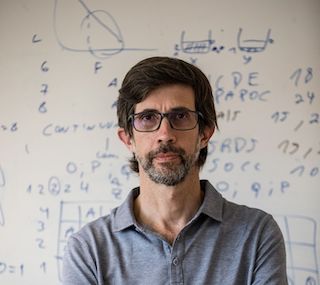
Carlos Baquero is a Professor in the Department of Informatics Engineering (DEI) at FEUP, University of Porto, and area coordinator at the High-Assurance Software Laboratory (HASLab) within INESC TEC. His research centres on data management in eventually consistent settings, distributed data aggregation, and causality tracking, and he is one of the co-creators of Conflict-Free Replicated Data Types (CRDTs). Alongside CRDTs, his work on mechanisms such as Scalable Bloom Filters, Interval Tree Clocks, and Dotted Version Vectors has been adopted in widely used systems including Riak, Redis, Akka distributed data, and Azure Cosmos DB.
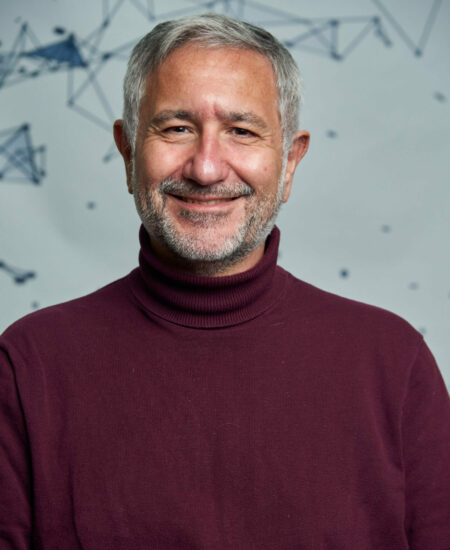
Antonio Fernández Anta is a Research Professor at IMDEA Networks. Previously he was a Full Professor at the Universidad Rey Juan Carlos (URJC) and was on the Faculty of the Universidad Politécnica de Madrid (UPM). He has been awarded the Premio Nacional de Informática "Aritmel" in 2019. He has more than 25 years of research experience, and more than 200 scientific publications. He was the Chair of the Steering Committee of DISC and has served in the TPC of numerous conferences and workshops.
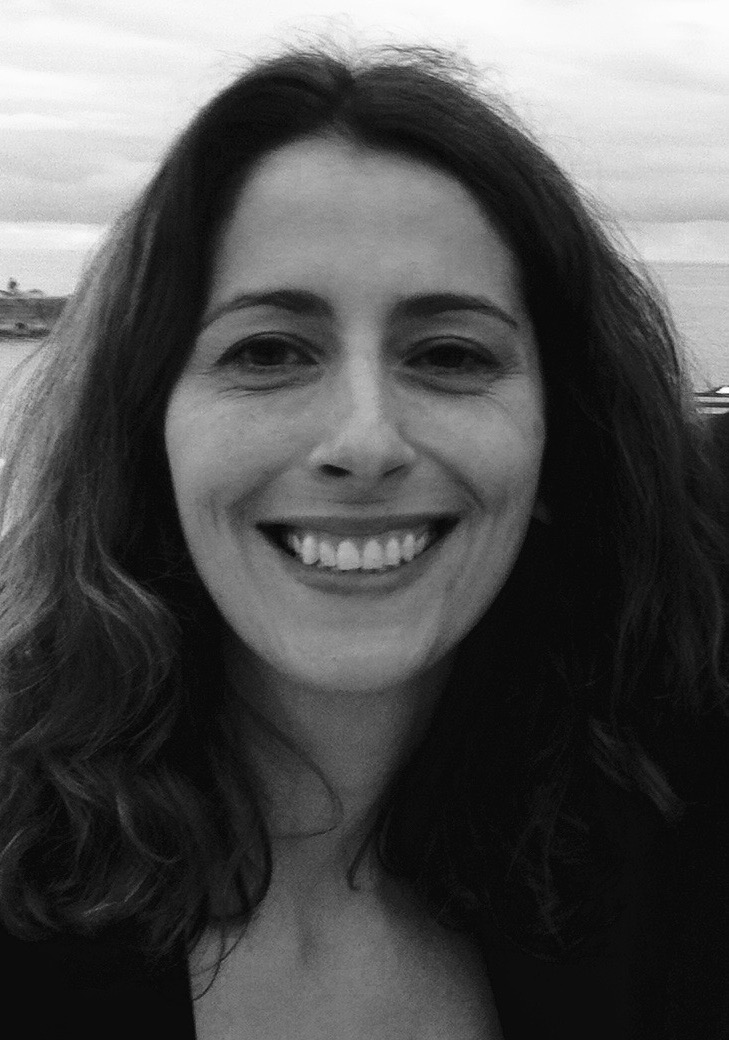
Carla Ferreira is a Full Professor at NOVA University Lisbon and a researcher at NOVA LINCS research centre. Her research focuses on developing formal calculi, techniques, and tools to express and reason about concurrent and distributed systems with the ultimate goal of helping programmers build trustworthy and efficient systems. Currently, she leads the TaRDIS project, a Horizon Europe project centered around the correct and efficient development of applications for swarms and decentralized distributed systems.
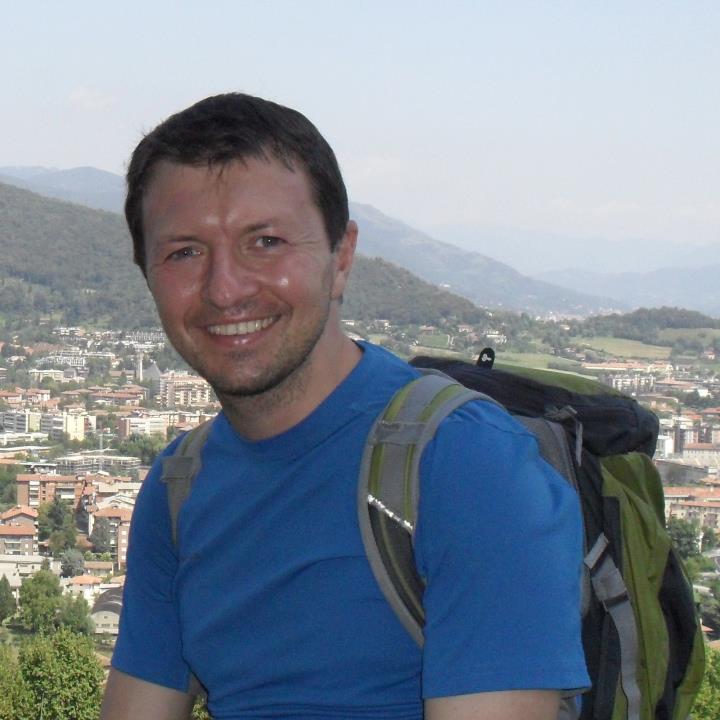
Davide Frey has been a researcher at Inria Rennes Bretagne-Atlantique since 2010. He received his PhD from Politecnico di Milano in Italy in 2006; he then worked as a post-doctoral researcher both at Washington University in St. Louis (MO), and at Inria Rennes before being recruited as a permanent researcher in 2010. Davide's research interest focus on distributed systems and algorithms with theoretical and practical contributions. On the practical side, Davide's contribution span areas such as content dissemination, social networks, blockchain, and decentralized recommendation and machine-learning systems. On the theoretical side, Davide has worked on combinatorial optimization and distributed algorithms, particularly in the context of designing lightweight alternatives to blockchains for a variety of applications. Davide co-supervised 6 PhD students to completion and is currently supervising and co-supervising 3 PhD students on blockchain, privacy, and decentralized identity management. Davide has been active in several national and International projects. At the European level, Davide is currently involved in SOTERIA, an H2020 project, led by AriadNext, for which Davide is Inria's scientific lead. At the national level, Davide is currently involved in the Byblos ANR project on Beyond-blockchain data structures, and he coordinates the PriCLeSS Cominlabs projects which sees a collaboration of computer scientists and law researchers to address the privacy and legal implication of the storage of personal data on blockchain-like infrastructures.
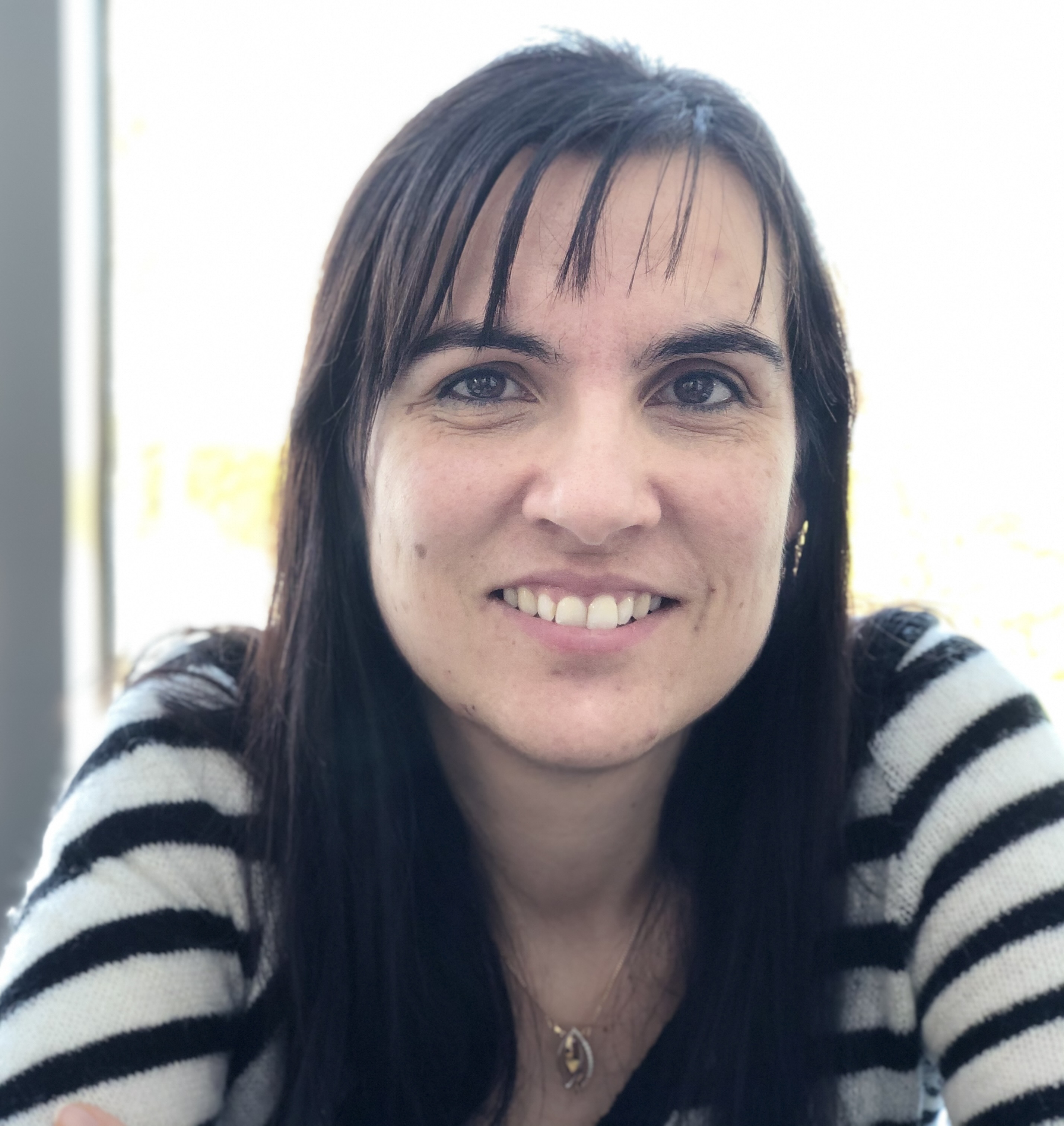
Elisa Gonzalez Boix is a professor of Computer Science at the Software Languages Lab (SOFT) of the Vrije Universiteit Brussel (VUB) leading the Distribution and Concurrency (DisCo) research group. Her research focusses on language technology to support the design of both programming languages and tools with a focus on mobile and cloud systems, internet of things and Big Data applications.
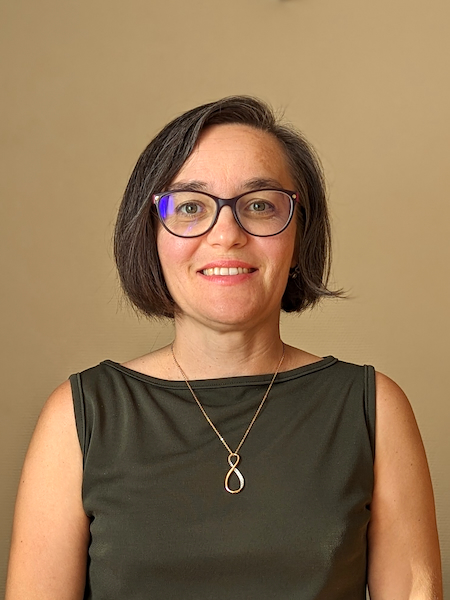
Claudia-Lavinia Ignat is a senior research scientist at Inria and head of the LORELEY team. She received her PhD in Computer Science from ETH Zurich, Switzerland, and her habilitation from the University of Lorraine. Her research focuses on distributed collaborative systems that support group work across distance. Her work combines distributed systems and computer-supported cooperative work, with particular attention to collaborative data management, including replication mechanisms, security in decentralized environments, and trustworthy collaboration. She served as General Co-Chair and Program Committee Co-Chair of ECSCW 2018, is an Associate Editor of the Journal of Computer Supported Cooperative Work, and regularly serves as an editor for CSCW conferences and on the program committees of major conferences including CHI, ECSCW, Middleware, and SRDS. She has also coordinated several national, international, and industrial research projects, including the USCOAST Inria associated team, the Alvearium Inria Challenge project, the IPCEI DXP project, and the PILOT project within PEPR eNSEMBLE.
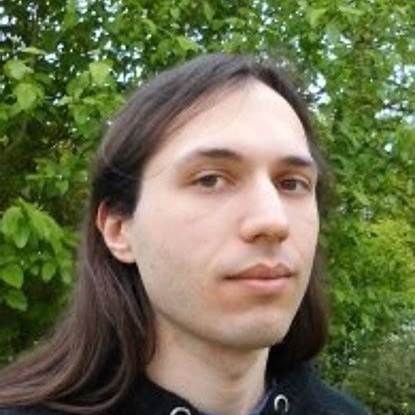
Ragnar Mogk is a researcher in the Software Technology Group at TU Darmstadt. His research focuses on declarative programming languages for coordination-free decentralized applications, aiming to simplify the development of reliable, distributed systems. He is involved in the development of Distributed REScala, the first language to support distributed reactive programming, enabling the creation of responsive and fault-tolerant applications in decentralized environments.
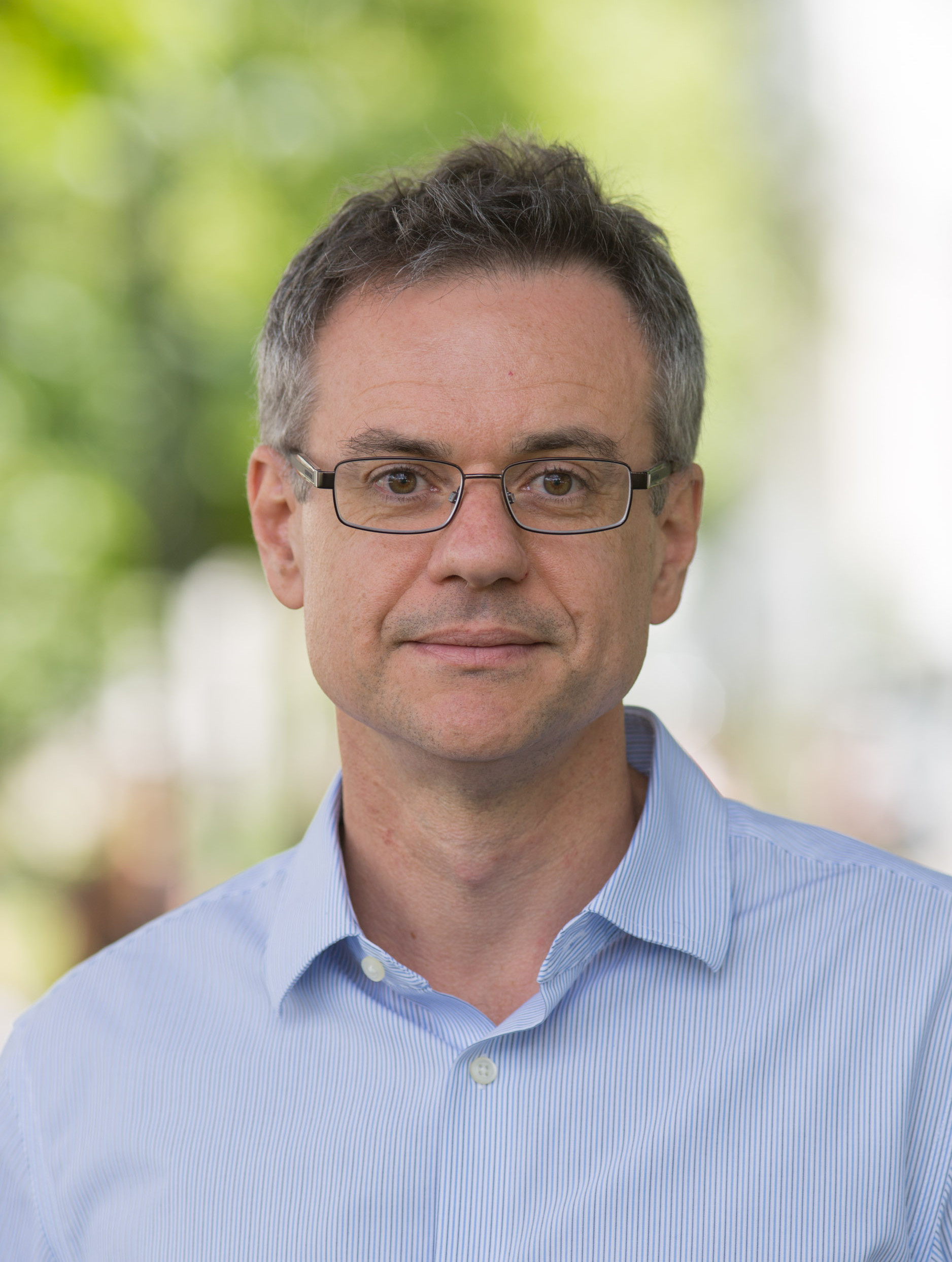
Fernando Pedone is a Professor of Computer Science at the Faculty of Informatics of Università della Svizzera italiana (USI), Lugano, Switzerland. His research focuses on distributed systems, with particular emphasis on fault tolerance, consistency, replication, and consensus. Over the course of his career, he has contributed to both the theoretical foundations and the practical implementation of distributed protocols, working closely with academic and industrial partners.
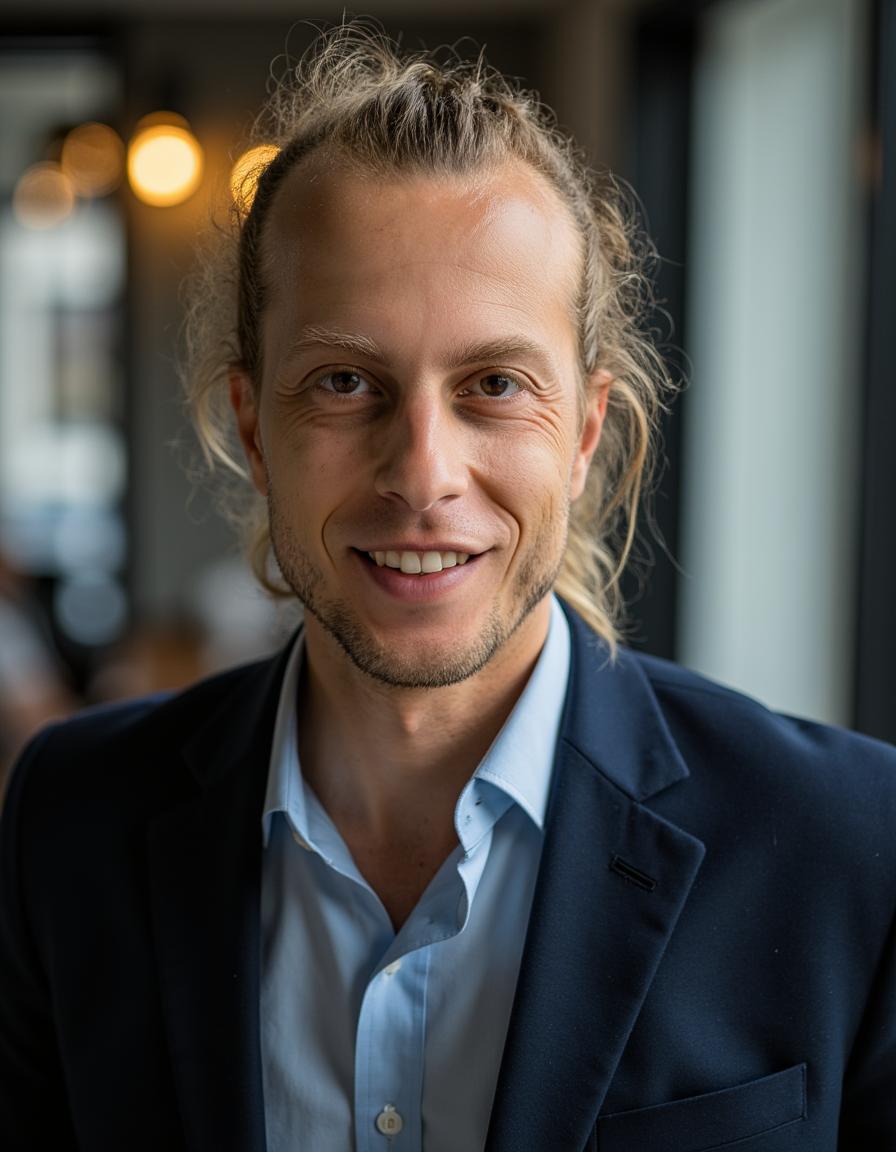
Guido Salvaneschi is a Full Professor at the School of Computer Science, University of St. Gallen, Switzerland, where he leads the Software and Systems Security Group. His research lies at the intersection of programming languages, software engineering, and cybersecurity, and draws on methods from software verification, formal methods, software testing, and programming language design. He holds a PhD in Information Technology from Politecnico di Milano, Italy, and was previously an Assistant Professor at the Technical University of Darmstadt, Germany. His research has been supported, among others, by the German Research Foundation (DFG) and the Swiss National Science Foundation (SNSF).
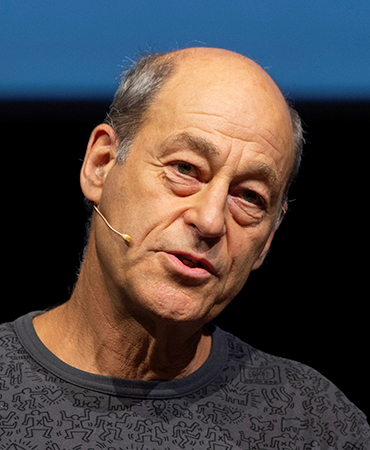
Marc Shapiro's research focuses on the theory and practice of consistency in distributed systems, and on principled approaches to computer system design and implementation. Early in his career, he invented the now-ubiquitous proxy concept. In 2009–2011, he co-invented Conflict-free Replicated Data Types (CRDTs), a class of replicated data types that rigorously ensure convergence, while maintaining availability. Dr Shapiro is an Distinguished Research Scholar (DRCE) Emeritus from Inria, in the Delys group of Sorbonne-Université-LIP6. He did his PhD at U. Paul Sabatier in Toulouse, followed by a post-doc at MIT, research positions at CMIRH and Inria, and a sabbatical at Cornell. In his academic career, he has a history of collaboration with industry. He led the Cambridge Distributed Systems group at Microsoft Research Cambridge (UK) for six years. He led the SyncFree European project for highly-available cloud computing and storage, developing the Antidote planet-scale hybrid-consistency database. He authored over 100 international publications in prestigious venues, 18 recognised software systems, and five patents. Dr. Shapiro sat on the PE6/Informatics Panel of the ERC for eight years. A Senior Member of the ACM, he is known for his dedication to organising the Informatics community and making its voice heard in Europe. He was instrumental in creating the EuroSys Chapter of the ACM, the EuroSys Conference, and the ACM Europe Council, of which he was a member for six years..
Tom Van Cutsem is Associate Professor at KU Leuven, Belgium. He leads a research team focused on Blockchain and Distributed Ledgers within the DistriNet research group in the Department of Computer Science. Tom’s expertise is situated at the boundary of distributed systems and programming languages research. Prior to joining KU Leuven Tom led research on software systems at Nokia Bell Labs and contributed to projects focused on AI-assisted software development and real-time data streaming platforms. He also contributed novel metaprogramming features to the JavaScript (ECMAScript) standard, now shipping in all major browsers. Tom holds a PhD from the Vrije Universiteit Brussel.